July 1, 2026
The Reality About Social Skills: Why Homeschoolers Are Often More Prepared, Not Less
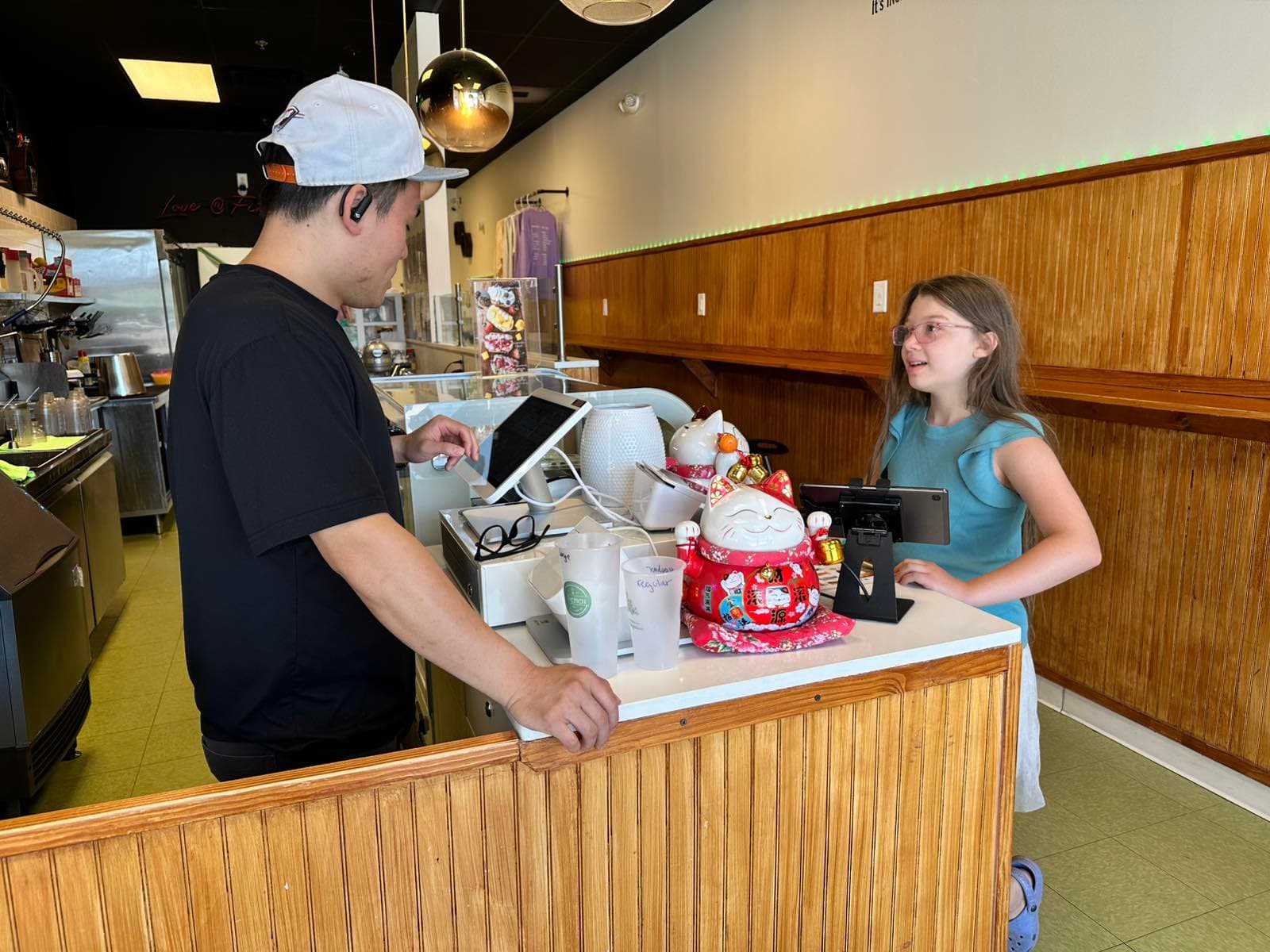
Social skills aren't all about playing with peers. It's also about learning to communicate with people of all ages and all walks of life. Everyday tasks, grocery shopping, doctors' appointments, banks, etc. all require good social skills. Homeschooling allows the time and space for practice with real life socialization.
Real-World Socialization Looks Different Than You Think
When people picture "socialization," they often think of traditional classrooms full of 30 children the same age, recess time and a lunch time. But is that how socializing works in the real world? Do we only interact with people our own age? Is the setting always the same?
In our daily lives, we rarely interact only with our peers. Instead, we as adults navigate a variety of ages, backgrounds, and professions. Homeschooling prepares children for this reality by having the flexibility to experience real world social situations.
Rethinking What "Social Skills" Really Means
Social skills are far more than sharing toys on a playground. They include basic, adult-level abilities:
- Active listening when interacting with others
- Reading social cues in professional or unfamiliar settings
- Clear communication of personal needs
- Patience and empathy across all walks of life
Everyday Errands as Real Socialization Practice
One of the greatest benefits of homeschooling is the ability to experience learning everywhere. Everyday errands become lessons in communication and independence:
- The Grocery Store: Children practice polite communication with cashiers, learn to read labels, and interact respectfully with other shoppers
- Doctors' Appointments: Homeschooled students watch their parents model proper manners and eventually learn to make their own appointments, speak directly to medical professionals, and advocate for themselves
- The Bank: Interacting with bank tellers teaches responsibility, patience, and clear, respectful communication
Multi-Age Connections Build Real Confidence
Unlike a traditional school setting—where students are strictly grouped by age—homeschooling naturally encourages multi-age interaction. Your child will communicate with siblings, parents, mentors, and elders on a regular basis. This diversity helps to nurture adaptability, maturity, and social confidence at a young age.
Going to the park, taking homeschool classes, visiting museums, traveling, etc., all expose children to different ages. Many homeschooled kids do not see age differences as a cutoff — most play with kids older and younger, and some younger kids even see themselves as equals to older kids, which boosts their confidence and independence and further encourages them to pursue interests regardless of age.
Giving Kids the Space and Time to Practice
Being placed in a traditional classroom setting, social anxiety can occur due to a highly competitive, rowdy environment with dozens of peers. With your guidance, homeschooling gives your children the time and mental space to process emotions, make mistakes in a safe environment, and learn how to handle themselves kindly in public. It is a marathon, not a sprint.
Real-time parental oversight helps to guide and correct social interactions as they happen. Homeschooling allows your child to develop the soft skills they need to thrive in the real world.